Know the safety rules to protect yourself, your property and MTE lineworkers
When winter storms cause power outages and send MTE line crews out for repairs, there can be many obstacles and dangers standing between them and turning the lights on again. One of the deadliest threats could be coming from you.
“Using a backup generator during an outage can give you peace of mind, but there can be serious consequences if it causes backfeed,” said Brian Sharp, MTE safety and training coordinator.
Backfeeding occurs when electricity flows in the opposite direction from its intended path. “It’s power that’s being fed from somewhere it’s not supposed to come from,” Sharp said.
If MTE’s power lines become unexpectedly energized during an outage, there is the risk of electrocution to the lineworkers making repairs. This uncontrolled electricity flow can also damage equipment on the grid or in your home.
Causing a backfeed is also illegal. Tennessee law requires that any electric generating equipment connected to the power grid has safety devices to prevent unintentional power flow.
Safe solutions
An improperly connected or operated generator is the typical source of backfeeding; however, other alternative power supplies can pose a threat. Regardless of the source, backfeeding is preventable through the proper installation and use of equipment:
Generator
Plugging a portable generator directly into a wall outlet or electrical system can send energy through a home’s electrical system and back onto power lines. Permanently installed generators that are not used or installed correctly can also cause backfeeding on the grid. All generators must have an automatic or manual transfer switch to safely disconnect them from the grid.
Solar system
Improper or unauthorized installation of solar panels can also cause backfeeding. Systems should be professionally installed and equipped with monitoring devices (inverters) that detach the house service from the MTE line during an outage. The inverter’s anti-islanding feature should always be enabled and functioning correctly.
Battery-stored power
Some auto manufacturers are promoting the use of electric vehicle batteries as an emergency power source. “But it’s not a simple plug-and-power thing. You still need backfeeding safeguards,” Sharp said. The vehicle’s bidirectional charger must be properly set up, and a transfer switch is required.
The bottom line
MTE lineworkers follow many safety protocols and use voltage detection equipment to protect themselves from dangerous backfeeding situations. But MTE members who use behind-the-grid power generation must realize they have responsibilities too, Sharp said.
“My plea is that anyone who uses a generator or other type of alternative energy generation will have it installed and regularly serviced by a certified electrician — someone who knows what you need to prevent backfeed,” he said. “This is NOT a do-it-yourself project.”
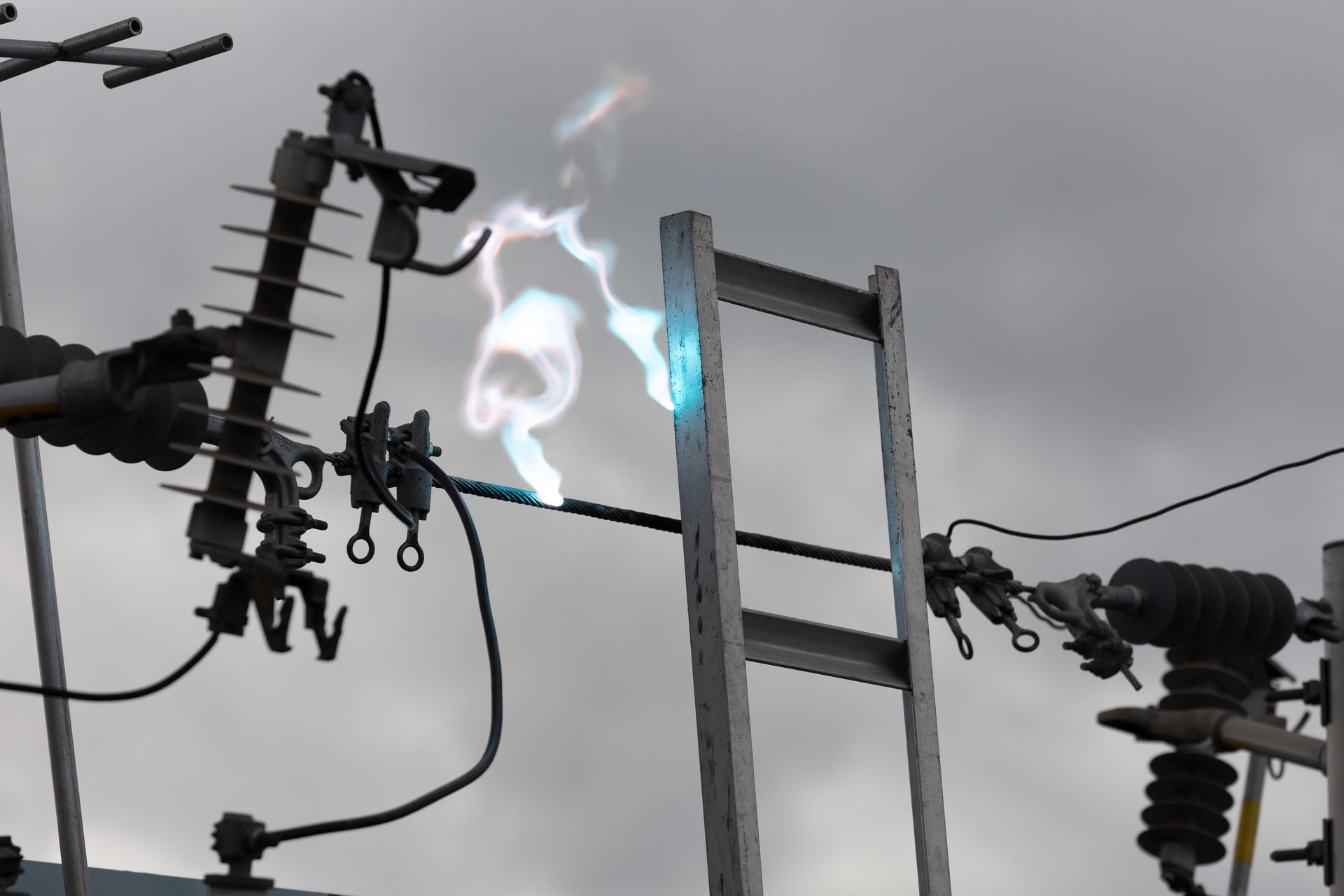
Want to know more about the dangers of backfed lines?
Check out our Hotline Demonstration Trailer that illustrates the dangers with backfed lines.
Learn more about our Hotline Demonstration Trailer >
View Safety Playlist on YouTube >
Good Energy Stories

MTE resources to fit any lifestyle
Worried about your wintertime electric bill?